
Most of the time, the best gaming headset isn’t a “gaming headset” at all. Although these devices are often thought of as a distinct niche within the wider headphone market, they're ultimately still headphones. And while it’s certainly not impossible to get a gaming headset that sounds nice, doing so still tends to come at a higher cost than a comparable pair of wired headphones (yes, those still exist).
- $259 at Amazon
Beyerdynamic DT 900 Pro X
- $180 at Amazon
Sennheiser HD 560S
- $20 at Amazon
Koss KSC75
- $130 at Amazon
Astro A40 TR
- $40 at Amazon
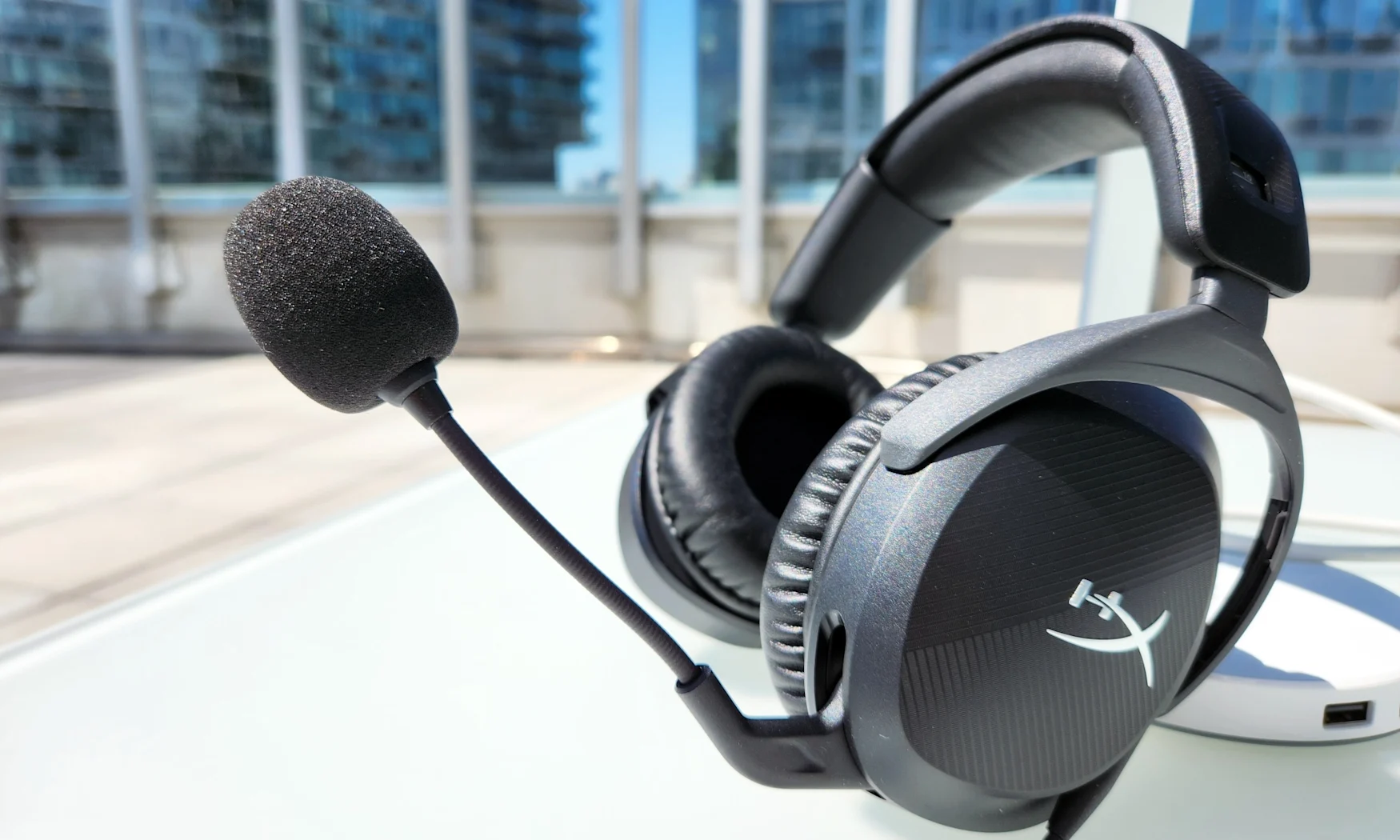
HyperX Cloud Stinger 2
A good wired headphone remains your best bet if you want the most detailed sound possible at a given price point and don’t need something especially portable, which is usually the case whether you’re gaming on a console or PC. If you need to chat with friends, you can always buy an external microphone, whether it’s a USB mic, a cheaper clip-on mic or a standalone headset mic like the Antlion ModMic or V-Moda BoomPro. In many cases, those will make your voice sound clearer and fuller than the ones included with a gaming headset.
But we do recognize that many people just want the convenience of an all-in-one combo, value and aesthetics be damned. So after testing out a few dozen pairs over the past several months, we’ve put together a list of good headphones for gaming and dedicated gaming headsets. We recommend you consider the former first, but all of them should make your play time more enjoyable.
What to look for in good gaming headphones
For that, you want a high-quality headphone with an open-back design. That is to say, an over-ear pair whose earcups do not completely seal off the ear from air and outside noise. The big trade-off is that these are inherently terrible at isolating you from external sound and preventing others from hearing what you’re playing. So if you often play games in a noisy environment, their benefits will be blunted. But in a quiet room, the best open-back pairs sounds significantly wider and more precise than more common closed-back models.
More up for debate is how a good gaming headphone should sound. If you want something that’ll help you in competitive multiplayer games, you'll likely prefer a headphone with a flatter sound signature, so a game’s mix won’t be overly boosted in one direction and mask the smaller details of what’s happening around you. A slightly brighter sound, one that pushes the upper frequencies a smidge, may also work. Open-back headphones almost never have huge sub-bass, so you rarely have to worry about low-end sounds muddying up the rest of the signature. In this light, the fact that an overwhelming amount of gaming headsets are closed-back and bass-heavy seems counterintuitive.
Lots of people love bass, though. And if you aren’t just worried about competitive play, some extra low-end can add a touch of excitement to heavy action scenes or a rousing soundtrack. You still don’t want a pair that boosts it too hard – which many dedicated gaming headsets do – but the point is that what makes a pair “immersive” to one person may sound dull to another.





0 Comments